If you are jumping into BeastLink during early access, the sheer number of options can feel overwhelming before you even touch a monster. This BeastLink mode guide 2026 breaks down every playable mode, the current rules, and the key changes arriving with the 1.0 update, so you know exactly where to spend your time. Understanding the differences between PvE and PvP early will save you from frustrating matches where you bring the wrong strategy to the wrong mode. Get the latest breakdown of matchmaking, ranked play, and win conditions below.
BeastLink Early Access Modes Overview
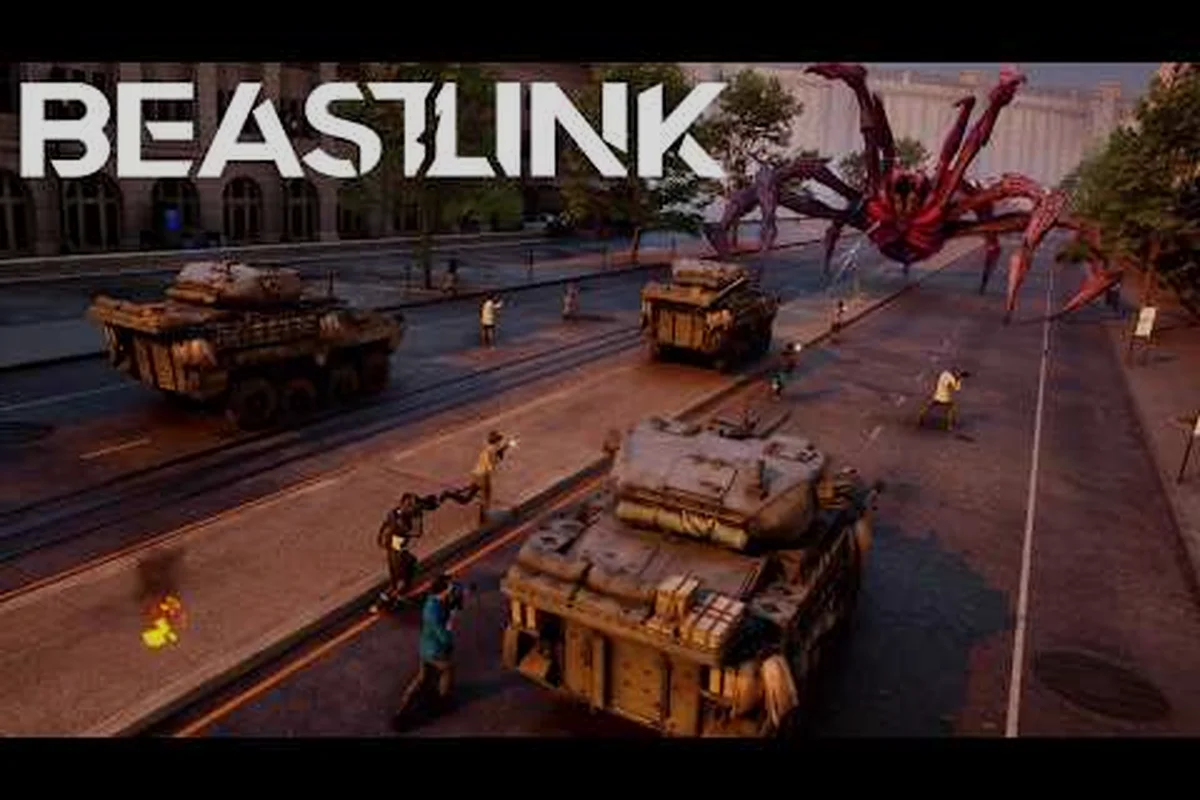
BeastLink launched into early access with a focused roster of modes that showcase its core fantasy: humans, vehicles, and colossal Kaiju colliding in fully destructible cities. According to the official Steam page, the game supports huge maps built for up to 32 players with multiple active Beasts at once. That player count shapes every mode currently in the game, so understanding the population limits helps you set expectations before queueing.
The current early access lineup includes four primary modes, each with a distinct objective and pacing. While the developers have confirmed additional modes for the 1.0 update, these four represent the foundation you can play right now, and each one demands a slightly different loadout and squad composition to succeed consistently.
| Mode | Player Count | Focus | Win Condition |
|---|---|---|---|
| Beastlink Tutorial Mode | 1-4 | Learning mechanics | Complete all training objectives |
| Beastlink Online PvP | 16-32 | Competitive | Reach score limit or last squad standing |
| Beastlink PvE Assault | 4-8 | Cooperative | Eliminate all AI Beasts |
| Beastlink Battle Arena | 8-16 | Team deathmatch | First team to score threshold |
The Beastlink tutorial mode is the smartest starting point because it teaches the Link system without the pressure of live opponents. You will learn how to earn serum, how to connect with dormant Kaiju, and how to manage your cooldowns in a controlled environment. Most players who skip this mode struggle with the core loop for their first several matches, which is why the official website emphasizes building your Link as the core power fantasy.
For players who want to understand the full picture before committing to a mode, the BeastLink game modes breakdown offers a deeper comparison of every option available now and in the coming updates. That guide covers additional details on map rotation and mode-specific rewards that we will touch on here.
Beastlink How to Play PvE: Assault Mode Rules
The Beastlink PvE Assault mode is where you learn to cooperate with your squad against AI-controlled Beasts that roam the city. Your team must coordinate to take down these threats while managing the destruction around you, because buildings collapse and create new sightlines that can work for or against you. The SuperDestruction system plays a major role here, as reduced city blocks change the terrain mid-fight.
Victory in PvE Assault requires your team to eliminate every AI Beast on the map before your collective respawn pool runs dry. Each player starts with a limited number of respawn tokens, and downed teammates consume those tokens when they return to the fight. If the pool hits zero and a teammate falls, that player spectates until the match concludes.
Earning Serum in PvE Matches
Serum is the currency that fuels the Link system, and understanding how to earn it efficiently separates successful squads from those that get wiped. In PvE Assault, the flow is more predictable than in PvP because objectives spawn on a fixed rotation, which lets your team pre-plan its serum farming route. You earn serum from the following actions:
-
Damaging AI Beasts with ranged weapons or vehicle-mounted cannons
-
Destroying environment objects like water towers and fuel depots
-
Capturing control points that spawn around the city
-
Reviving downed teammates during active combat
-
Completing optional side objectives that appear between waves
The pacing of serum gain in PvE is deliberately slower than in competitive modes, because the game wants you to rely on squad coordination rather than rushing to Link with a Beast. Players who chase kills instead of objectives often find themselves underpowered when the final AI Beast spawns.
Linking With a Beast in PvE
When you have enough serum, you can spend it to Link with a dormant Kaiju that appears on the map. Each Beast has unique abilities, so your choice should complement your squad's composition. If your team already has a heavy hitter, consider picking a support-oriented Beast that can shield allies or control the battlefield with area denial.
The Link system rewards players who think about the bigger picture, because once you Link, you are committed to that Beast for a set duration. You cannot cancel the Link early, which means a poorly timed transformation can leave your team vulnerable. For a more detailed walkthrough of the Link mechanics and optimal timing strategies, the BeastLink early access guide provides a step-by-step breakdown that complements this mode overview.
Beastlink How to Play PvP: Competitive Rules
Beastlink online PvP is the competitive heart of the game, offering large-scale battles where squads fight for dominance across the city. Unlike PvE, the pace is much faster, and the pressure to earn serum quickly is constant because enemy players will contest every resource node. The current matchmaking system pairs teams based on their hidden MMR, though the early access population size can sometimes stretch those bands.
The standard PvP win condition is a score limit, with teams earning points for eliminations, objective captures, and Beast takedowns. A match typically lasts between 15 and 25 minutes, depending on how aggressively both teams push for the score threshold. There is also a ranked variant that tracks your progress across seasons, with rewards tied to your final placement.
| PvP Aspect | Early Access (Current) | 1.0 Update (Planned) |
|---|---|---|
| Matchmaking | MMR-based, loose bands | Stricter bands + regional priority |
| Ranked Seasons | Monthly reset | 3-month competitive seasons |
| Team Size | Squads of 4 | Squads of 4 + solo queue option |
| Beast Selection | Locked after pick | Draft phase with bans |
Squad Composition in PvP
Building a balanced squad is essential for Beastlink online PvP, because a team of all-damage players will crumble when the enemy Links with a tanky Beast. The current meta, according to community reports, favors a composition with one dedicated support player, two flexible damage dealers, and one player who can pivot to Beast control when the serum economy allows.
Your squad's early-game decisions matter because the first team to reach the serum threshold for a Beast Link often dictates the mid-game flow. If your team can secure a Beast at the five-minute mark, you can pressure the enemy's spawn points and deny their resource generation. That advantage compounds quickly, which is why experienced squads prioritize early objective control over chasing eliminations.
Ranked Play and the 1.0 Changes
The 1.0 update brings significant changes to how ranked play works, based on developer announcements and community testing. The current monthly reset will shift to a three-month season structure, giving players more time to climb and reducing the burnout that comes with grinding every few weeks. Regional matchmaking priority will also improve ping consistency, which should reduce the frustration of playing against opponents across the globe.
According to community reports, the 1.0 update will introduce a draft phase where teams take turns banning and picking Beasts, adding a layer of strategy that does not exist in the current early access build. This change rewards players who have learned multiple Beasts rather than one-tricking a single monster. For players looking to understand how the progression system feeds into these competitive modes, the BeastLink early access progression guide explains how credits and serum earnings carry across PvE and PvP.
Beastlink Multiplayer Modes Comparison
Choosing between all the BeastLink multiplayer modes depends on your playstyle, available squad size, and how much time you have for a single match. Some players prefer the structured chaos of PvP, while others enjoy the cooperative puzzle of taking down AI Beasts together. The table below compares the key differences to help you decide where to queue.
| Mode | Match Length | Difficulty | Best For | Solo Friendly |
|---|---|---|---|---|
| Tutorial Mode | 10-15 min | Low | Learning basics | Yes |
| PvE Assault | 20-30 min | Medium | Cooperative play | No (needs squad) |
| Online PvP | 15-25 min | High | Competitive play | Yes (matchmaking) |
| Battle Arena | 10-20 min | Medium | Fast action | Yes |
The BeastLink tutorial mode is the only option that works well as a purely solo experience, because the other modes require coordination that random matchmaking cannot always guarantee. If you queue into PvE Assault without a squad, you are at the mercy of whatever teammates the matchmaker assigns you. Some players enjoy that unpredictability, but others find it frustrating when communication breaks down mid-fight.
For players who want to jump into Beastlink online PvP without a pre-made squad, the matchmaking system will fill your team with other solo players or partial squads. This creates an uneven experience depending on how coordinated the enemy team is, which is a known early access limitation that the developers are addressing in the 1.0 update. Community testing suggests that queueing during peak hours in your region improves the quality of matches significantly.
Battle Arena as a Middle Ground
The Beastlink Battle Arena mode offers a middle ground between the tactical depth of PvE and the chaos of full-scale PvP. It uses a smaller map and a reduced player count, which means faster engagements and more frequent Beast Links. This mode is ideal for players who want to practice their combat mechanics without committing to a 25-minute match.
Because Battle Arena has a lower player count, the serum economy is tighter, and every engagement matters more. A single skirmish loss can set your team back significantly, since the enemy will secure the serum you dropped. Players who excel at this mode often carry those skills into the larger PvP matches, making it a great training ground.
Beastlink Mode Changes in the 1.0 Update
The 1.0 update is shaping up to be a substantial overhaul of the mode ecosystem, with several changes confirmed through official channels and community testing. While the exact patch notes are not fully public as of this writing, the developer has shared enough details to give players a clear picture of what to expect.
One of the most significant changes is the introduction of a dedicated ranked mode with a proper season structure, replacing the current informal MMR-based ladder. This new system will track your performance across a three-month season and reward you with exclusive cosmetics and titles based on your final rank. The current monthly reset was too short for players to feel meaningful progression, which the developer acknowledged in community feedback.
New Mode: Convergence
The Convergence mode is the most anticipated addition in the 1.0 update, combining elements of PvE and PvP into a hybrid experience. In this mode, two squads compete to control zones on the map while also fending off AI Beasts that spawn periodically. The twist is that the AI Beasts drop high-value serum when defeated, creating a risk-reward decision about whether to fight the enemy team or secure the PvE reward.
According to community reports, Convergence matches are expected to last between 20 and 30 minutes, with a score system that rewards both PvE and PvP actions. This mode is designed for squads who enjoy strategic depth and can adapt their approach on the fly. The Convergence mode guide on this site offers a dedicated breakdown of strategies for this new addition.
Quality of Life Improvements
Beyond new modes, the 1.0 update brings several quality of life improvements that affect how you interact with the mode selection screen. The most notable change is the addition of a mode preference system, which lets you queue for multiple modes simultaneously with weighted preferences. This reduces wait times for popular modes while still allowing you to play your favorites.
The update also introduces a spectator system for custom matches, which will be a boon for community tournaments and content creators. Players can now host private lobbies with customized rules, including Beast selection restrictions and serum gain multipliers. These tools will help the competitive scene grow, as organizers can run structured events without relying on external tools.
Frequently Asked Questions
What is the best mode for beginners in BeastLink?
The Beastlink tutorial mode is the best starting point because it teaches the Link system, serum economy, and combat basics without the pressure of live opponents. After completing the tutorial, move to PvE Assault with a squad to practice coordination before attempting Beastlink online PvP.
How does the Link system work in multiplayer modes?
The Link system lets players spend serum to connect with dormant Kaiju Beasts, taking control of colossal creatures with unique abilities. In multiplayer modes, Link timing is critical because you cannot cancel early. Earning serum faster than the enemy team gives you the first opportunity to Link and control the match tempo.
What changes does the 1.0 update bring to ranked play?
The 1.0 update replaces the current monthly MMR reset with a three-month competitive season structure. It also introduces a draft phase with Beast bans and picks, plus regional matchmaking priority for better ping. These changes reward players who master multiple Beasts rather than relying on a single monster.
Can I play BeastLink PvE without a full squad?
Yes, but the experience is significantly harder without coordination. The game will match you with random players, but communication breakdowns often lead to wasted serum and failed objectives. For the best PvE experience, bring at least two friends who understand the Beastlink how to play PvE fundamentals.
How long does a typical BeastLink multiplayer match last?
Match length depends on mode. Battle Arena runs 10–20 minutes, PvE Assault 20–30, and standard online PvP lands at 15–25. Convergence, arriving in the 1.0 update, pushes 20–30 minutes, making it the longest commitment. Budget extra time for queueing and pre-match setup when you plan a play session.