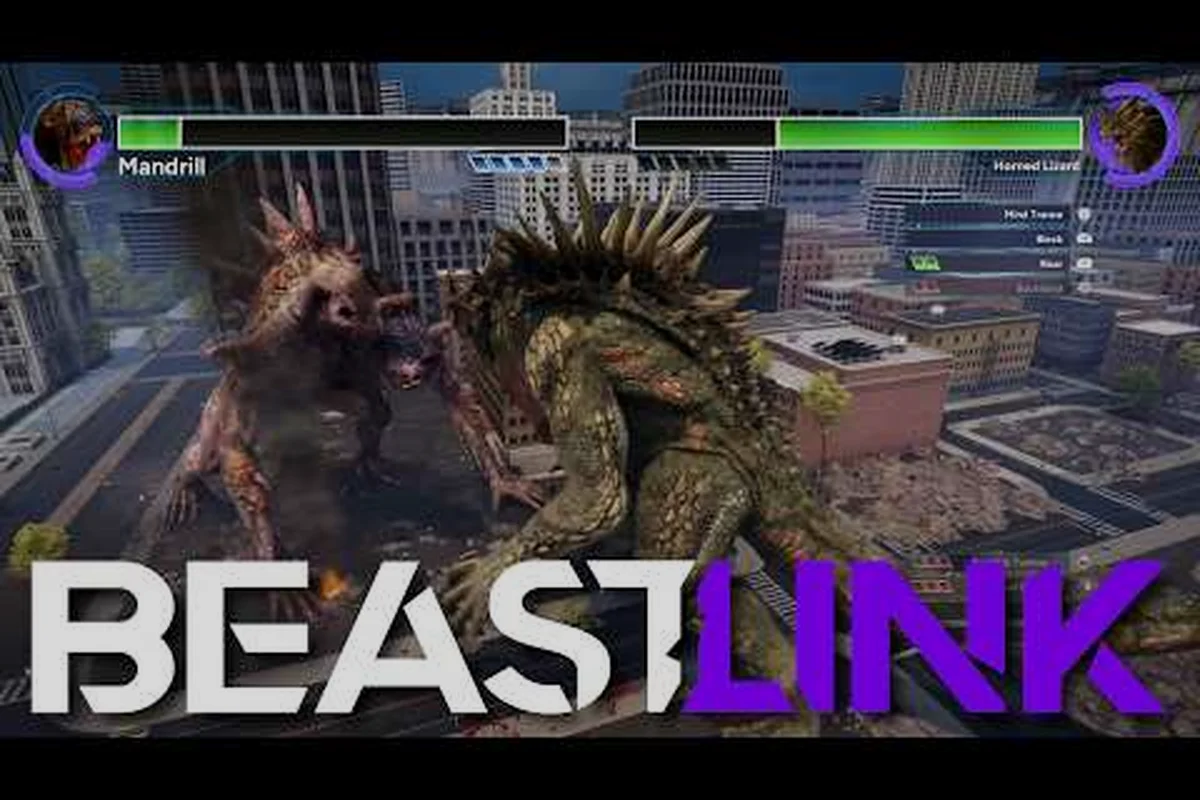
Every new player hits the same wall in BeastLink: you drop into a city full of collapsing skyscrapers, but you're stuck on foot while a Kaiju stomps through the block. The path to your first Link isn't hidden behind a paywall or a random drop — it's a clear progression system built around earning serum and spending it on dormant Beasts. Understanding BeastLink how to unlock beasts early saves you hours of wasted matches and gets you into the monster pilot seat faster than most of the lobby.
The unlock system rewards consistent play rather than luck, which means every match you finish contributes to your goal. Whether you want to know which Beast fits your playstyle or how to speed up the grind, this guide breaks down the entire process step by step.
The Core Unlock System: Serum, Dormant Beasts, and Your First Link
The foundation of BeastLink how to unlock beasts rests on one resource: serum. This is the universal currency for the Link system, and you earn it by participating in matches across the destructible city maps. According to the official BeastLink Steam page, the Link system lets players spend serum to connect with dormant Kaiju Beasts, taking control of colossal creatures with unique abilities. Building your Link is described as the core power fantasy of the game, so everything you do in a match feeds back into that goal.
Here's how the flow works:
-
Complete matches — every finished match awards serum based on your performance, survival time, and objective contribution.
-
Accumulate serum — your earnings pool into a personal reserve that persists between matches.
-
Browse dormant Beasts — the roster of available Kaiju is gated by serum costs, with cheaper options for beginners and premium Beasts for veterans.
-
Spend serum to Link — once you meet the cost threshold, you initiate the Link and permanently unlock that Beast for future matches.
The system is designed so that early unlocks come fast — your first Beast should take only a handful of matches. The game deliberately front-loads progression so new players can experience the monster fantasy within their first session. Community reports suggest that most players unlock their first Beast within 2-4 hours of playtime, assuming they focus on completing matches rather than roaming aimlessly.
What makes this system interesting is that serum earnings scale with activity, not just wins. You get partial rewards for losses, and bonus serum for objectives like destroying buildings or assisting teammates. This means even a rough match contributes something to your unlock progress, which keeps the grind feeling fair.
BeastLink Beast Guide: Understanding the Roster and Beast Types
Before you spend your hard-earned serum, you need to know what you're buying. The BeastLink beast guide starts with understanding that every Beast fits into one of several combat archetypes, and each archetype demands a different approach in battle. The roster spans from nimble skirmishers to walking apocalypses, and picking the right one for your style matters more than raw stats.
Aerial Beasts: Hit and Run Dominance
Aerial Beasts are the harassment specialists of the roster. They trade raw durability for mobility, letting you strike from above and disengage before the enemy can retaliate. These Beasts excel at picking off isolated targets, destroying rooftop defenses, and creating chaos that forces the enemy team to split their attention.
The tradeoff is clear: you're fragile when grounded, and a skilled opponent can punish you if you commit to a dive at the wrong moment. Aerial Beasts reward players who think in three dimensions and maintain constant awareness of their escape routes.
Close Range Beasts: Frontline Pressure
Close range Beasts are the brawlers — they want to be in the thick of the fight, trading blows and breaking formations. These Beasts typically have high health pools and devastating melee attacks that can one-shot infantry and stagger other Beasts. They're the backbone of any team composition because they create space for allies and absorb damage that would otherwise hit your squishier units.
The downside is mobility and range. You'll struggle against kiting opponents and need to rely on teammates to pin enemies down. If you enjoy being the immovable object that dictates the pace of a fight, this archetype is your home.
Other Beast Types Worth Knowing
Beyond the two main archetypes, the roster includes balanced hybrids that split the difference and support-oriented Beasts that trade personal damage for team utility. The table below breaks down the general categories you'll encounter:
| Beast Type | Primary Role | Strengths | Weaknesses | Ideal Player |
|---|---|---|---|---|
| Aerial | Harassment | Mobility, escape, rooftop control | Low durability, punishable dives | Aggressive flankers |
| Close Range | Frontline | High HP, melee burst, zone control | Kite vulnerability, slow rotation | Brawlers and tanks |
| Hybrid | Flexible | Balanced stats, adaptable kits | Jack of all trades, master of none | New players learning roles |
| Support | Utility | Team buffs, crowd control, disruption | Low solo kill pressure | Coordinated squad players |
According to community data, the hybrid category is the most popular first unlock because it forgives positioning mistakes while still teaching the core mechanics of Beast combat. Once you understand the rhythm of a hybrid, branching into a specialized archetype becomes much easier.
How to Get Serum Fast: Maximizing Your Earnings Per Match
The single biggest question in any BeastLink beast guide is how to speed up the grind. While the base serum rate is steady, you can significantly accelerate your progress by understanding how the game calculates rewards. The system rewards active participation over passive survival, so players who chase objectives earn more per minute than those who camp.
Here are the highest-yield activities based on player reports:
-
Objective play — capturing zones and completing map events grants bonus serum multipliers that stack with your base match reward.
-
Building destruction — the SuperDestruction system isn't just visual flair; each collapsed structure contributes to your score and serum payout.
-
Beast-on-Beast damage — dealing meaningful damage to enemy Beasts awards significantly more serum than farming infantry.
-
Match completion bonus — finishing a match grants a flat completion bonus that scales with match length, so quitting early is always a net loss.
The table below shows the approximate serum breakdown for a standard match, based on community testing:
| Activity | Base Serum | Notes |
|---|---|---|
| Match completion | 150-250 | Scales with match duration |
| Building destruction | 5-15 per structure | SuperDestruction events double this |
| Infantry kills | 2-5 per kill | Diminishing returns after 20 kills |
| Beast damage | 20-50 per engagement | Based on percentage of max HP dealt |
| Objective capture | 100-200 | One-time bonus per objective |
| Victory bonus | 100 | Only awarded to winning team |
The key insight is that building destruction is the most consistent income source because structures are always available and don't require winning fights. A player who focuses on leveling city blocks can match the serum income of a player who hunts Beasts all match, but with far less risk. For a deeper breakdown of how serum flows through the broader progression economy, check out our BeastLink progression guide that covers the full picture beyond just Beast unlocks.
BeastLink Which Beast to Pick: Matching Your Playstyle
The question of BeastLink which beast to pick comes down to a simple self-assessment: what role do you naturally gravitate toward in multiplayer games? The roster is diverse enough that there's a legitimate answer for every preference, and forcing yourself into an archetype that doesn't fit will only make the grind feel worse.
For Aggressive Players: Close Range Beasts
If you're the type of player who pushes forward and starts fights, close range Beasts are your match. These Beasts reward aggression with massive damage output and the durability to survive mistakes. The learning curve is forgiving because your health pool gives you room to recover from bad engagements.
The main skill to develop is positioning — knowing when to commit and when to back off. A close range Beast that overextends gets kited and melted, but one that picks fights on its own terms is a nightmare for the enemy team.
For Tactical Players: Aerial Beasts
Players who prefer to control the flow of battle rather than dive into the thick of it will find aerial Beasts more satisfying. These Beasts excel at creating pressure from unexpected angles and forcing the enemy to react to you rather than executing their own plan.
The learning curve here is map awareness. You need to know rooftop routes, escape paths, and high-value targets at all times. A good aerial player feels like a constant threat that never quite commits to a fight — until the moment it matters.
For New Players: Hybrid Beasts
If you're still learning the game's systems, hybrid Beasts are the safest first unlock. They offer a taste of every playstyle without the extreme weaknesses of specialized builds. You'll deal decent damage, survive reasonable punishment, and have enough mobility to escape bad situations.
The table below summarizes which Beast type fits common player profiles:
| Player Profile | Recommended Type | Why It Works |
|---|---|---|
| First-time player | Hybrid | Balanced kit teaches all mechanics |
| FPS veteran | Aerial | Translates aim and movement skills |
| MOBA tank main | Close Range | Rewards frontline positioning |
| Support player | Support | Team utility matches your instincts |
| Speedrunner | Aerial | Fast rotations and objective focus |
For a complete ranking of every Beast currently available, our BeastLink best Kaiju tier list breaks down the full roster with detailed analysis of each creature's strengths and weaknesses.
The Link System Explained: What Happens When You Unlock a Beast
Once you've saved enough serum, the actual unlock process is straightforward, but understanding what happens after the Link matters just as much. The Link system is the mechanical bridge between your human character and the Kaiju — it's not just a menu purchase, it's a transformation that changes how you play the game.
When you initiate a Link, the game transitions you from your on-foot character to the Beast, and that transition comes with a full ability kit unique to each creature. You're not just getting a bigger health bar — you're getting a new moveset, new cooldowns, and new strategic considerations.
The Link itself isn't permanent in the sense that you're always the Beast. Instead, you can call your Beast during matches once you've unlocked it, subject to cooldowns and conditions. This means the unlock is a permanent addition to your arsenal, not a one-time transformation.
Here's what to expect after your first unlock:
-
Beast call cooldown — you can't summon your Beast immediately at match start; there's a ramp-up period.
-
Duration limits — most Beasts can stay active for a limited time before reverting to human form.
-
Upgrade potential — unlocked Beasts can be further enhanced with additional serum investments.
The system is designed so that your first unlock changes the game completely. Suddenly, you're not just a soldier in the chaos — you're one of the monsters causing it. The power fantasy lands because the game makes you earn it, and the earning process teaches you the mechanics you'll need once you're in control. For a detailed look at how the Link mechanic works mechanically, including cooldown timers and upgrade paths, read our BeastLink Link system guide.
Common Mistakes New Players Make When Unlocking Beasts
Even with a clear system, players consistently make the same errors when working toward their first unlock. Avoiding these mistakes will save you hours of wasted effort and get you into your first Beast faster. The most common pitfall is hoarding serum for a high-tier Beast instead of buying an affordable first unlock. Players see the flashy endgame Kaiju and assume they should save up, but this delays your first Beast experience significantly. The serum you earn from matches with a Beast is higher than without one, so the fastest path to the premium roster is through a cheap starter Beast.
Another frequent mistake is ignoring objective play in favor of chasing kills. While kills feel good, the serum math heavily favors objectives and building destruction. A player who focuses on objectives earns serum at roughly double the rate of a pure kill-chaser, according to community testing.
Other mistakes to avoid:
-
Quitting matches early — you forfeit the completion bonus, which is a significant chunk of your income.
-
Ignoring building destruction — structures are free serum that respawn every match.
-
Not experimenting with different Beasts — your first unlock doesn't have to be your forever main.
-
Skipping the tutorial matches — the early matches have boosted serum rates to get you started.
The best approach is to unlock a cheap hybrid first, use it to earn serum faster, then save for the specialized Beast you actually want. This snowball strategy gets you into the monster seat quickly while still working toward your long-term goal.
Frequently Asked Questions
How long does it take to unlock the first Beast in BeastLink?
Most players unlock their first Beast within 2-4 hours of playtime, assuming they focus on completing matches and engaging with objectives. The early serum curve is deliberately generous, so your first unlock comes quickly. After that, the grind for premium Beasts takes considerably longer.
Can I unlock every Beast without spending real money?
Yes, every Beast in the roster is unlockable through serum earned in matches. The game doesn't gate any creatures behind real-money purchases, though premium currency can speed up the process if you choose to spend. According to community data, the full roster takes roughly 40-60 hours of play to unlock.
What is the best first Beast for a beginner?
The hybrid category is widely considered the best first unlock because it offers a balanced kit that teaches all the core mechanics without punishing mistakes. Community reports consistently recommend starting with a hybrid, then branching into specialized archetypes once you understand the game's flow.
Do unlocked Beasts carry over between matches?
Yes, once you unlock a Beast, it's permanently added to your roster. You can call it in any future match, subject to the in-match cooldown and duration system. The unlock is a one-time purchase that stays with you across all game modes.
Is the aerial Beast or close range Beast better for solo play?
It depends on your playstyle, but close range Beasts generally perform better in solo play because they're more self-sufficient. Aerial Beasts excel at harassment but struggle to secure kills without teammates to capitalize on the pressure they create. If you're playing alone, the durability of a close range Beast covers more mistakes.